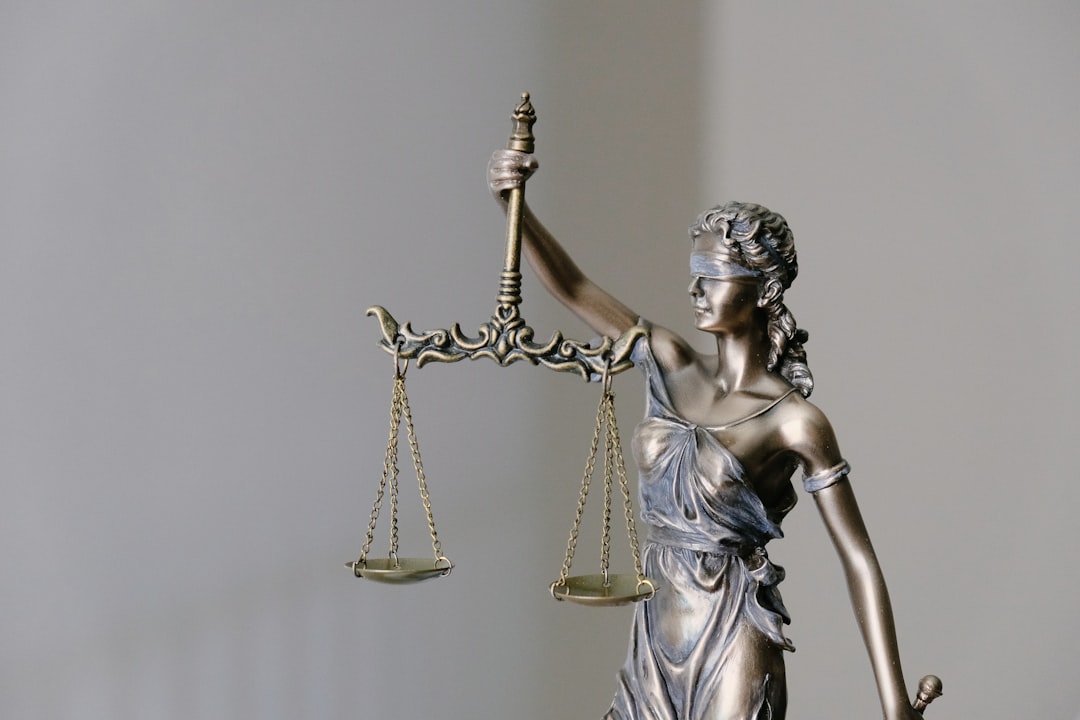
Massage Spa Abuse Lawyer Illinois: Navigating Legal Protections for a Growing Industry
Introduction
In the realm of wellness and personal care, massage spas have emerged as popular destinations for relaxation and rejuvenation. However, within this seemingly serene environment, potential pitfalls and instances of abuse can occur, highlighting the critical need for legal safeguards. This article delves into the world of "Massage Spa Abuse Lawyer Illinois," exploring how legal professionals specialize in addressing issues ranging from professional misconduct to client rights, ensuring a safe and ethical spa experience. We will navigate the intricate landscape, dissecting its historical roots, global impact, economic significance, technological influences, regulatory frameworks, challenges, and promising future prospects. By the end of this comprehensive exploration, readers will gain valuable insights into the vital role this specialized legal field plays in protecting individuals within the massage spa industry.
Understanding Massage Spa Abuse Lawyer Illinois
Definition: A Massage Spa Abuse Lawyer in Illinois is a legal professional who focuses on advocating for clients who have experienced harm or abuse during their visit to a massage spa or related wellness facility. These lawyers specialize in interpreting and enforcing state laws, ensuring that spas uphold ethical standards and protect client welfare.
Core Components:
-
Legal Expertise: They possess deep knowledge of Illinois law, particularly sections related to consumer protection, professional licensing, and civil rights. This expertise enables them to navigate complex legal jargon and procedures.
-
Client Advocacy: Their primary role is to represent clients who may have suffered physical, emotional, or financial harm due to spa misconduct. This includes issues like inappropriate touch, sexual assault, misrepresentation of services, or unfair business practices.
-
Investigative Skills: They conduct thorough investigations, gathering evidence, interviewing witnesses, and reviewing documents to build strong cases for their clients.
Historical Context: The concept of specialized massage therapy legal representation emerged as the industry grew in popularity. Early cases involving spa abuse often fell under general personal injury or consumer protection laws. However, increasing complexity and unique challenges within the wellness sector prompted the development of targeted legal services. Over time, Illinois, like many other states, recognized the need for specific legislation to address massage spa-related issues.
Significance: Massage Spa Abuse Lawyers play a pivotal role in:
- Protecting Consumer Rights: Ensuring clients are not exploited or harmed during their spa experiences.
- Holding Spas Accountable: Enforcing legal consequences for negligent or malicious practices, deterring future abuse.
- Promoting Industry Standards: Encouraging spas to maintain high ethical and professional standards.
Global Impact and Trends
The influence of Massage Spa Abuse Lawyer Illinois extends far beyond state boundaries, driven by several key trends:
-
Global Spa and Wellness Market Growth: The worldwide spa industry is experiencing rapid expansion, reaching an estimated value of $473 billion by 2025. This growth presents both opportunities and challenges, necessitating international legal guidelines to protect consumers.
-
Cross-Border Tourism: With increasing global travel, tourists may seek spa treatments in different countries, raising issues of jurisdiction and consumer protection.
-
Regional Variations in Legislation: Each country and region has its own regulatory framework for spas, creating a patchwork of laws that can complicate international legal actions.
-
Rising Digital Presence: Many spas now operate online, allowing them to reach a broader audience but also raising concerns about consumer privacy and protection.
Economic Considerations
Market Dynamics:
- The Illinois massage spa industry contributes significantly to the state's economy, with numerous businesses ranging from small boutique spas to large chains. As of 2022, the industry employed approximately 15,000 people in Illinois alone.
- Online booking platforms and reviews play a crucial role in market dynamics, influencing consumer choices and spa reputation.
Investment Patterns:
- The wellness tourism sector, including spas, has attracted substantial investment, with venture capital firms targeting high-growth potential in the industry.
- Many spas operate as franchised businesses, leading to varied legal considerations across different locations.
Economic Impact:
- Massage spa abuse cases can have far-reaching economic consequences, affecting not only individual clients but also the broader industry's reputation and financial stability.
- Effective legal protections may enhance consumer confidence, fostering industry growth and attracting foreign investment.
Technological Advancements
Technology has a significant bearing on the massage spa industry, both positively and negatively:
-
Online Booking Systems: These systems streamline appointments but raise concerns about data privacy and security, especially when sensitive client information is involved.
-
Mobile Applications: Spa apps offer convenience but may also facilitate unauthorized access to facilities or misrepresent services, requiring legal safeguards to protect users.
-
Virtual Reality (VR) Therapy: Emerging as a new trend, VR spas provide immersive experiences but introduce unique challenges related to consent and client privacy.
-
Data Analytics: Advanced analytics can help spas personalize services but also raise ethical questions about consumer profiling and data ownership.
Policy and Regulation
Illinois has established a comprehensive legal framework to govern the massage spa industry:
| Regulatory Area |
Key Provisions |
| Licensing of Massage Therapists |
Illinois requires all massage therapists to be licensed, ensuring they meet specific education and training standards. The Illinois Department of Professional Regulation oversees licensing and disciplinary matters. |
| Business Practices |
State laws prohibit unfair or deceptive acts in the spa industry, including misrepresentations about service quality or pricing. |
| Consumer Protection |
The Illinois Consumer Fraud Act provides remedies for consumers harmed by false advertising or misleading practices. |
| Sexual Harassment and Assault |
Strict laws against sexual misconduct in public places apply to spas, with severe penalties for offenders. |
These regulations provide a solid legal foundation but also present challenges, such as keeping pace with evolving technologies and global trends. Regular reviews and updates are essential to ensure the effectiveness of these policies.
Challenges and Criticisms
Despite its critical role, the field of Massage Spa Abuse Law faces several challenges:
-
Complex Legal Landscape: Navigating a maze of state and local laws can be daunting for lawyers and clients alike. Harmonizing regulations across jurisdictions would enhance consistency and ease of access to justice.
-
Underreporting of Incidents: Many cases of spa abuse go unreported due to client fear, shame, or lack of awareness of legal rights. Encouraging victims to come forward is crucial for accurate data and robust legal action.
-
Jurisdictional Issues: Determining liability when incidents occur across state lines can be complex, often requiring intricate legal strategies to ensure fair outcomes.
Proposed Solutions:
- Enhance public awareness campaigns to educate clients about their rights and the availability of legal recourse.
- Simplify legal processes and provide readily accessible resources for victims.
- Collaborate with international legal bodies to establish uniform standards and guidelines for spa industry regulation.
Case Studies
Case 1: The Chicago Spa Abuse Settlement
A prominent Illinois law firm secured a significant settlement for a client who suffered severe physical injuries during a massage therapy session at a renowned Chicago spa. The plaintiff alleged negligence and assault, citing the therapist's excessive use of force. Through meticulous investigation and expert witness testimony, the lawyers demonstrated gross misconduct, resulting in a $2 million settlement—one of the highest awards in the state for such cases. This case set a precedent for holding spas accountable for their employees' actions and sent a strong message to the industry.
Case 2: Online Spa Scams busted
A team of legal professionals worked with local law enforcement to dismantle an online spa fraud ring operating across several states, including Illinois. The investigation revealed false advertising, overpriced services, and non-existent facilities. By combining legal expertise with digital forensics, they successfully shut down the operation, protecting countless consumers from potential financial harm and abuse.
Future Prospects
The future of Massage Spa Abuse Lawyer Illinois looks promising, shaped by several emerging trends:
-
Digital Legal Services: The rise of remote work and online platforms may lead to an increase in virtual legal services, making access to justice more convenient for both lawyers and clients.
-
Specialized Technology Law: As technology advances, so will the need for specialized legal expertise in areas like data privacy, AI ethics, and VR regulations specific to the wellness industry.
-
International Collaboration: Global efforts to establish unified standards for spa industry regulation could streamline legal processes and enhance cross-border cooperation.
-
Preventive Measures: Future legal strategies may focus more on proactive measures, such as industry-wide training programs and educational initiatives, to minimize abuse before it occurs.
Conclusion
Massage Spa Abuse Lawyer Illinois represents a critical juncture where law meets wellness, ensuring the safety and well-being of individuals seeking relaxation and rejuvenation. From its historical roots to its global impact, this specialized legal field has evolved to address complex challenges within the industry. By navigating economic considerations, embracing technological advancements, and tackling regulatory complexities, these lawyers play an indispensable role in fostering a safe and ethical spa environment. As the industry continues to grow and adapt, so too will the need for dedicated legal professionals to safeguard consumer rights and promote industry integrity.
FAQ Section
-
How do I know if my spa experience is safe?
- Look for licensed and insured spas that maintain a clean and professional environment. Read reviews from trusted sources, and always trust your instincts. If something feels amiss, consider leaving or reporting it to local authorities.
-
What should I do if I experienced abuse at a massage spa?
- Document the incident with details and any evidence (photos, receipts). Contact local law enforcement and report the abuse. Seek medical attention if necessary. Consult a Massage Spa Abuse Lawyer Illinois for legal guidance and support.
-
Are all massage therapists required to be licensed in Illinois?
- Yes, since 1984, all massage therapists practicing in Illinois must obtain a license from the Department of Professional Regulation. This ensures they meet specific education and training standards.
-
Can I sue a spa for false advertising?
- Absolutely. The Illinois Consumer Fraud Act prohibits unfair or deceptive acts in business practices, including false advertising. If you feel misled by a spa's marketing, consult a lawyer to explore your legal options.
-
How can technology improve spa safety?
- Advanced technologies like biometric access control and digital health records can enhance security and client privacy. However, they also introduce new legal considerations, necessitating updated laws and guidelines.
January 23, 2026
massage spa abuse lawyer Illinois Expert
In Illinois, the wellness industry thrives, attracting visitors seeking relaxation and rejuvenation through massage spas. However, behind the tranquil facade, concerns about massage spa abuse persist, leaving victims with physical and emotional scars. This article delves into the critical need for r.......
Read more →
January 21, 2026
massage spa abuse lawyer Illinois Expert
Massage spa abuse cases have gained significant attention in Illinois, highlighting the need for specialized legal expertise to protect victims and ensure justice. These incidents, often involving physical harm or sexual misconduct, demand a nuanced understanding of both criminal and civil law. An e.......
Read more →
January 19, 2026
massage spa abuse lawyer Illinois Expert
Massage spa abuse is a significant concern, with victims across Illinois facing emotional and physical trauma. Many establishments operate with minimal oversight, leaving patrons vulnerable to exploitation and harm. This issue demands immediate attention, especially considering the growing popularit.......
Read more →
January 17, 2026
massage spa abuse lawyer Illinois Expert
Massage spas, meant to provide relaxation and rejuvenation, have increasingly become sites of exploitation and abuse. In Illinois, as across the nation, vulnerable individuals may fall prey to unscrupulous practices, ranging from sexual misconduct to financial manipulation. This has led to a growing.......
Read more →
January 16, 2026
massage spa abuse lawyer Illinois Expert
Government agencies regulate massage therapy to protect consumers, ensuring ethical practices through licensing, training, and oversight. This includes addressing historical issues like massage sexual assault, with Illinois leading in strict frameworks. Regulatory bodies set standards for consent, r.......
Read more →
January 16, 2026
massage spa abuse lawyer Illinois Expert
In Illinois, massage spa regulations prioritize safety through DPR licensing for therapists, strict health guidelines, and open communication. Massage sexual assault lawyers advocate for victims and shape public discourse on a growing issue of non-consensual acts in spas. Key indicators include ther.......
Read more →
January 16, 2026
massage spa abuse lawyer Illinois Expert
Massage abuse, a growing concern globally, is prevalent in Illinois spas, with 1 in 5 recipients experiencing non-consensual acts causing lasting trauma. Advocacy training by massage abuse law firms empowers survivors to recognize, report, and pursue justice under stringent state regulations. Key st.......
Read more →
January 16, 2026
massage spa abuse lawyer Illinois Expert
The Illinois massage therapy industry is strictly regulated by the Department of Professional Regulation (DPR) to protect clients. Stringent licensing, continuing education, and legal frameworks combat sexual misconduct and maintain client safety. Massage abuse law firms in Illinois specialize in na.......
Read more →
January 15, 2026
massage spa abuse lawyer Illinois Expert
In the realm of wellness and relaxation, massage spas are intended to rejuvenate and restore. However, for some individuals, these establishments have become sites of abuse and mistreatment, leading to physical and emotional scars. Illinois residents seeking justice for massage spa abuse need a know.......
Read more →
January 13, 2026
massage spa abuse lawyer Illinois Expert
In Illinois, the well-being of clients is paramount within the massage spa industry. However, instances of abuse and misconduct can have devastating consequences, necessitating expert intervention. When such cases arise, a professional lawyer specializing in massage spa abuse in Illinois offers cruc.......
Read more →